The Art of Subtlety: Why Minimalism Equals Elegance
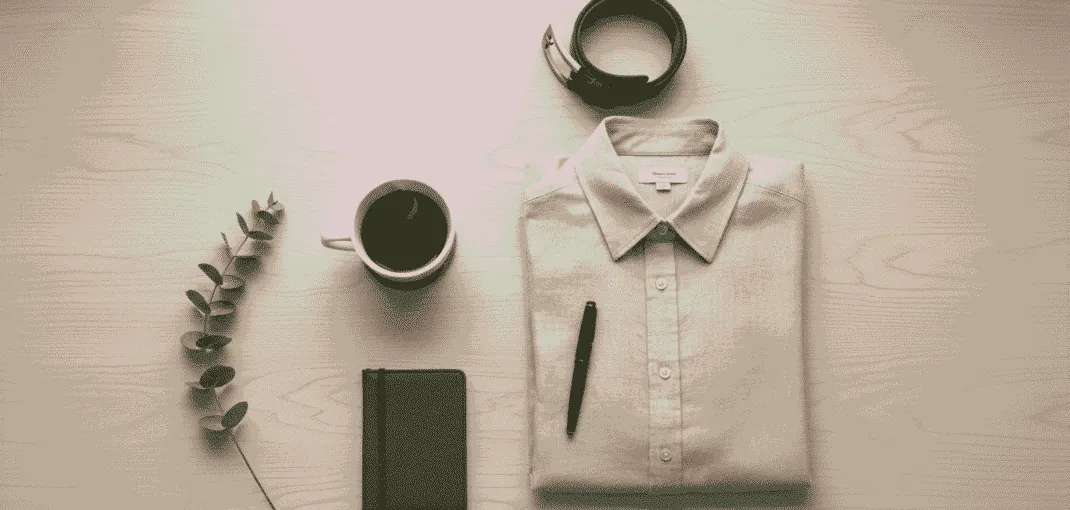
In a world saturated with noise, excess, and constant visual stimulation, true elegance often whispers instead of shouts. The art of subtlety has become a quiet superpower, and minimalism is its most refined expression. When distractions are stripped away, what remains is clarity: of form, function, and intention. Minimalism is not about having less for the sake of it; it is about making room for what truly matters—pieces, spaces, and habits that feel considered rather than cluttered. This shift from “more” to “meaningful” is why minimalism so naturally aligns with elegance. It signals confidence, restraint, and an appreciation for quality over spectacle. The Art of Subtlety: Why Minimalism Equals Elegance What Minimalism Really Means Minimalism is a design and lifestyle philosophy centered on simplicity, intentionality, and functionality. It focuses on clean lines, harmonious proportions, and the reduction of visual and mental clutter. Rather than stripping life of personality, minimalism asks you to edit—choosing items and experiences that genuinely add value. When applied well, the result is a sense of ease and sophistication that feels effortless rather than stark or cold. Why Subtlety Feels So Refined Subtlety is powerful because it invites closer attention. An understated outfit, a calm interior, or a clear visual identity allows details—like texture, fit, craftsmanship, and light—to stand out. Elegance emerges when nothing feels forced. The absence of excess creates space for quality and nuance to be noticed. That quiet confidence is often perceived as more refined than bold, attention-seeking displays. The Aesthetic Principles Behind Minimalist Elegance Clean Lines and Visual Harmony Minimalist elegance is built on clear shapes, balanced proportions, and negative space. In design terms, this means: When the eye is not overwhelmed, it can appreciate form and structure. This visual calm naturally reads as sophisticated. Quality Over Quantity Elegance thrives when each piece earns its place. Minimalism encourages investing in fewer, higher-quality items rather than many disposable ones. In practice, this might look like: These choices age better, feel better, and reflect a long-term mindset that aligns with refined taste. Minimalism in Personal Style Building a Minimalist, Elegant Wardrobe A minimalist wardrobe is not about wearing the same thing every day; it is about creating a flexible system of pieces that work together. Key steps include: When each item coordinates effortlessly, getting dressed becomes simpler and the overall effect is polished with minimal effort. Styling with Subtle Details In minimalist style, details carry more weight because there are fewer of them. To keep the look elegant: This approach allows your presence, not your outfit, to be the main statement. Minimalism in Interior Design Creating Calm, Elegant Spaces Minimalist interiors are often associated with white walls and empty rooms, but true elegant minimalism is warm and livable. Aim for: The result is a space that feels open, airy, and restful—an environment that supports focus and relaxation. Curating, Not Collecting Subtle elegance in the home comes from curation. Rather than filling every corner, select a few meaningful or beautiful objects: By allowing important pieces to stand alone, you give them room to make an impact. The Psychological and Practical Benefits Mental Clarity and Calm Minimalism’s elegance is not only visual; it also affects how you feel. Fewer belongings, clearer spaces, and streamlined routines reduce decision fatigue and sensory overload. This can support better focus, lower stress, and a greater sense of control in daily life. The emotional tone of minimalism—calm, stable, grounded—naturally complements an elegant presence. Sustainability and Long-Term Thinking Choosing less and better is inherently more sustainable. A minimalist, elegant approach encourages: This alignment with responsibility and stewardship adds a deeper layer of integrity to the idea of elegance. It is not only about how things look, but also about the impact of your choices. How to Start Embracing Minimalist Elegance Actionable Steps You Can Take Today Consistency matters more than perfection; incremental changes compound into a noticeable shift in your overall aesthetic. Conclusion: Redefining Elegance Through Less The art of subtlety shows that elegance is not about how much you own or how loudly you present it—it is about clarity, intention, and restraint. Minimalism equals elegance when your choices are thoughtful, your surroundings are considered, and your style reflects quiet confidence rather than the need for validation. If this perspective resonates with you, begin experimenting: clear one surface, refine one outfit, or invest in one truly timeless piece. Notice how it feels to live with a little more space and a little less noise. Then, share your experience—whether in a comment, a post, or a conversation—and inspire others to explore how the art of subtlety could elevate their own version of elegance.