
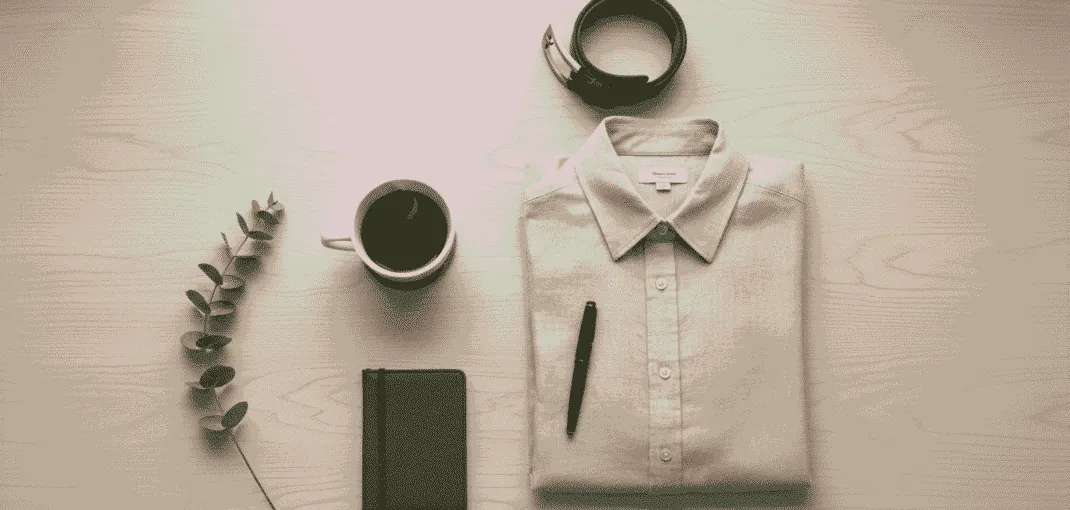
In a world saturated with noise, excess, and constant visual stimulation, true elegance often whispers instead of shouts. The art of subtlety has become a quiet superpower, and minimalism is its most refined expression. When distractions are stripped away, what remains is clarity: of form, function, and intention. Minimalism is not about having less for the sake of it; it is about making room for what truly matters—pieces, spaces, and habits that feel considered rather than cluttered. This shift from “more” to “meaningful” is why minimalism so naturally aligns with elegance. It signals confidence, restraint, and an appreciation for quality over spectacle.
The Art of Subtlety: Why Minimalism Equals Elegance
What Minimalism Really Means
Minimalism is a design and lifestyle philosophy centered on simplicity, intentionality, and functionality. It focuses on clean lines, harmonious proportions, and the reduction of visual and mental clutter. Rather than stripping life of personality, minimalism asks you to edit—choosing items and experiences that genuinely add value. When applied well, the result is a sense of ease and sophistication that feels effortless rather than stark or cold.
Why Subtlety Feels So Refined
Subtlety is powerful because it invites closer attention. An understated outfit, a calm interior, or a clear visual identity allows details—like texture, fit, craftsmanship, and light—to stand out. Elegance emerges when nothing feels forced. The absence of excess creates space for quality and nuance to be noticed. That quiet confidence is often perceived as more refined than bold, attention-seeking displays.
The Aesthetic Principles Behind Minimalist Elegance
Clean Lines and Visual Harmony
Minimalist elegance is built on clear shapes, balanced proportions, and negative space. In design terms, this means:
- Simple silhouettes in clothing and furniture
- Limited color palettes that create visual cohesion
- Thoughtful spacing that lets each element “breathe”
When the eye is not overwhelmed, it can appreciate form and structure. This visual calm naturally reads as sophisticated.
Quality Over Quantity
Elegance thrives when each piece earns its place. Minimalism encourages investing in fewer, higher-quality items rather than many disposable ones. In practice, this might look like:
- A perfectly tailored blazer instead of several trend-led jackets
- A solid wood dining table that lasts decades
- A small selection of well-made leather accessories
These choices age better, feel better, and reflect a long-term mindset that aligns with refined taste.
Minimalism in Personal Style
Building a Minimalist, Elegant Wardrobe
A minimalist wardrobe is not about wearing the same thing every day; it is about creating a flexible system of pieces that work together. Key steps include:
- Choosing a core color palette of neutrals (black, white, navy, beige, gray) with one or two accent tones
- Prioritizing timeless silhouettes: straight-leg trousers, tailored shirts, simple knitwear, clean-lined dresses
- Focusing on fit and fabric—alter pieces if necessary so they sit perfectly on your body
When each item coordinates effortlessly, getting dressed becomes simpler and the overall effect is polished with minimal effort.
Styling with Subtle Details
In minimalist style, details carry more weight because there are fewer of them. To keep the look elegant:
- Use accessories sparingly: one statement watch, a delicate necklace, or a structured bag
- Pay attention to grooming: neat hair, cared-for shoes, and pressed garments reinforce refinement
- Play with texture rather than prints—think wool, silk, linen, and leather for depth without visual noise
This approach allows your presence, not your outfit, to be the main statement.
Minimalism in Interior Design
Creating Calm, Elegant Spaces
Minimalist interiors are often associated with white walls and empty rooms, but true elegant minimalism is warm and livable. Aim for:
- A restrained color scheme with soft neutrals and natural materials
- Functional furniture with clean lines and no unnecessary ornamentation
- Thoughtful storage to keep surfaces clear and visual clutter hidden
The result is a space that feels open, airy, and restful—an environment that supports focus and relaxation.
Curating, Not Collecting
Subtle elegance in the home comes from curation. Rather than filling every corner, select a few meaningful or beautiful objects:
- A single piece of art with emotional resonance
- Quality textiles—linen curtains, wool throws, cotton bedding
- Carefully chosen lighting that creates warmth and depth
By allowing important pieces to stand alone, you give them room to make an impact.
The Psychological and Practical Benefits
Mental Clarity and Calm
Minimalism’s elegance is not only visual; it also affects how you feel. Fewer belongings, clearer spaces, and streamlined routines reduce decision fatigue and sensory overload. This can support better focus, lower stress, and a greater sense of control in daily life. The emotional tone of minimalism—calm, stable, grounded—naturally complements an elegant presence.
Sustainability and Long-Term Thinking
Choosing less and better is inherently more sustainable. A minimalist, elegant approach encourages:
- Reduced impulse buying
- Longer product life cycles
- More conscious resource use
This alignment with responsibility and stewardship adds a deeper layer of integrity to the idea of elegance. It is not only about how things look, but also about the impact of your choices.
How to Start Embracing Minimalist Elegance
Actionable Steps You Can Take Today
- Edit one space or category at a time—your desk, your handbag, your shoe collection
- Ask, “Does this serve a purpose or bring me genuine joy?” before keeping or buying
- Replace one low-quality, rarely used item with a better version you will use often
- Set a simple color palette for your next few purchases to build cohesion
Consistency matters more than perfection; incremental changes compound into a noticeable shift in your overall aesthetic.
Conclusion: Redefining Elegance Through Less
The art of subtlety shows that elegance is not about how much you own or how loudly you present it—it is about clarity, intention, and restraint. Minimalism equals elegance when your choices are thoughtful, your surroundings are considered, and your style reflects quiet confidence rather than the need for validation.
If this perspective resonates with you, begin experimenting: clear one surface, refine one outfit, or invest in one truly timeless piece. Notice how it feels to live with a little more space and a little less noise. Then, share your experience—whether in a comment, a post, or a conversation—and inspire others to explore how the art of subtlety could elevate their own version of elegance.

30 Comments
casino launceston
References:
v.gd
HeroUP is a premium mens wellness formula designed to support sustained energy, physical stamina, and everyday confidence.
ProDentim is a distinctive oral-care formula that pairs targeted probiotics with plant-based ingredients to encourage strong teeth, comfortable gums, and reliably fresh breath.
Mitolyn is a carefully developed, plant-based formula created to help support metabolic efficiency and encourage healthy, lasting weight management.
PurDentix is a revolutionary oral health supplement designed to support strong teeth and healthy gums. It tackles a wide range of dental concerns
AquaSculpt is a high-quality metabolic support supplement created to help the body utilize fat more efficiently while maintaining steady, reliable energy levels throughout the day.
Gluco6 is a natural, plant-based supplement designed to help maintain healthy blood sugar levels.
Arialief is a carefully developed dietary supplement designed to naturally support individuals dealing with sciatic nerve discomfort while promoting overall nerve wellness.
Maintaining prostate health is crucial for men’s overall wellness, especially as they grow older. Conditions like reduced urine flow, interrupted sleep
InsuLeaf is a high-quality, naturally formulated supplement created to help maintain balanced blood glucose, support metabolic health, and boost overall vitality.
Manergy is an advanced male vitality supplement created to help support healthy testosterone levels
Prosta Peak is a high-quality prostate wellness supplement formulated with a comprehensive blend of 20+ natural ingredients and essential nutrients to support prostate health
Nitric Boost Ultra is a daily wellness formula designed to enhance vitality and help support all-around performance.
NerveGenics is a naturally formulated nerve-health supplement created to promote nerve comfort, cellular energy support, antioxidant defense
ProstAfense is a premium, doctor-crafted supplement formulated to maintain optimal prostate function, enhance urinary performance, and support overall male wellness.
NerveCalm is a high-quality nutritional supplement crafted to promote nerve wellness, ease chronic discomfort, and boost everyday vitality.
GL Pro is a natural dietary supplement formulated to help maintain steady, healthy blood sugar levels while easing persistent sugar cravings.
Kerassentials is an entirely natural blend crafted with 4 potent core oils and enriched by 9 complementary oils and vital minerals.
AquaSculpt is a high-quality metabolic support supplement created to help the body utilize fat more efficiently while maintaining steady, reliable energy levels throughout the day.
Prostadine concerns can disrupt everyday rhythm with steady discomfort, fueling frustration and a constant hunt for dependable relief.
The bodys natural process of skin cell renewal is essential for preserving a smooth, healthy, and youthful-looking complexion.
Prosta Peak is a high-quality prostate wellness supplement formulated with a comprehensive blend of 20+ natural ingredients and essential nutrients to support prostate health
Backbiome is a naturally crafted, research-backed daily supplement formulated to gently relieve back tension and soothe sciatic discomfort.
MounjaBoost is a next-generation, plant-based supplement created to support metabolic activity, encourage natural fat utilization
NativeGut is a precision-crafted nutritional blend designed to nurture your dog’s digestive tract.
Nitric Boost Ultra is a daily wellness formula designed to enhance vitality and help support all-around performance.
MounjaBoost is a next-generation, plant-based supplement created to support metabolic activity, encourage natural fat utilization
ViriFlow is a dietary supplement formulated to help maintain prostate, bladder, and male reproductive health. Its blend of plant-based ingredients is designed to support urinary comfort and overall wellness as men age.
Visium Pro is an advanced vision support formula created to help maintain eye health, sharpen visual performance, and provide daily support against modern challenges such as screen exposure and visual fatigue.
Backbiome is a naturally crafted, research-backed daily supplement formulated to gently relieve back tension and soothe sciatic discomfort.